
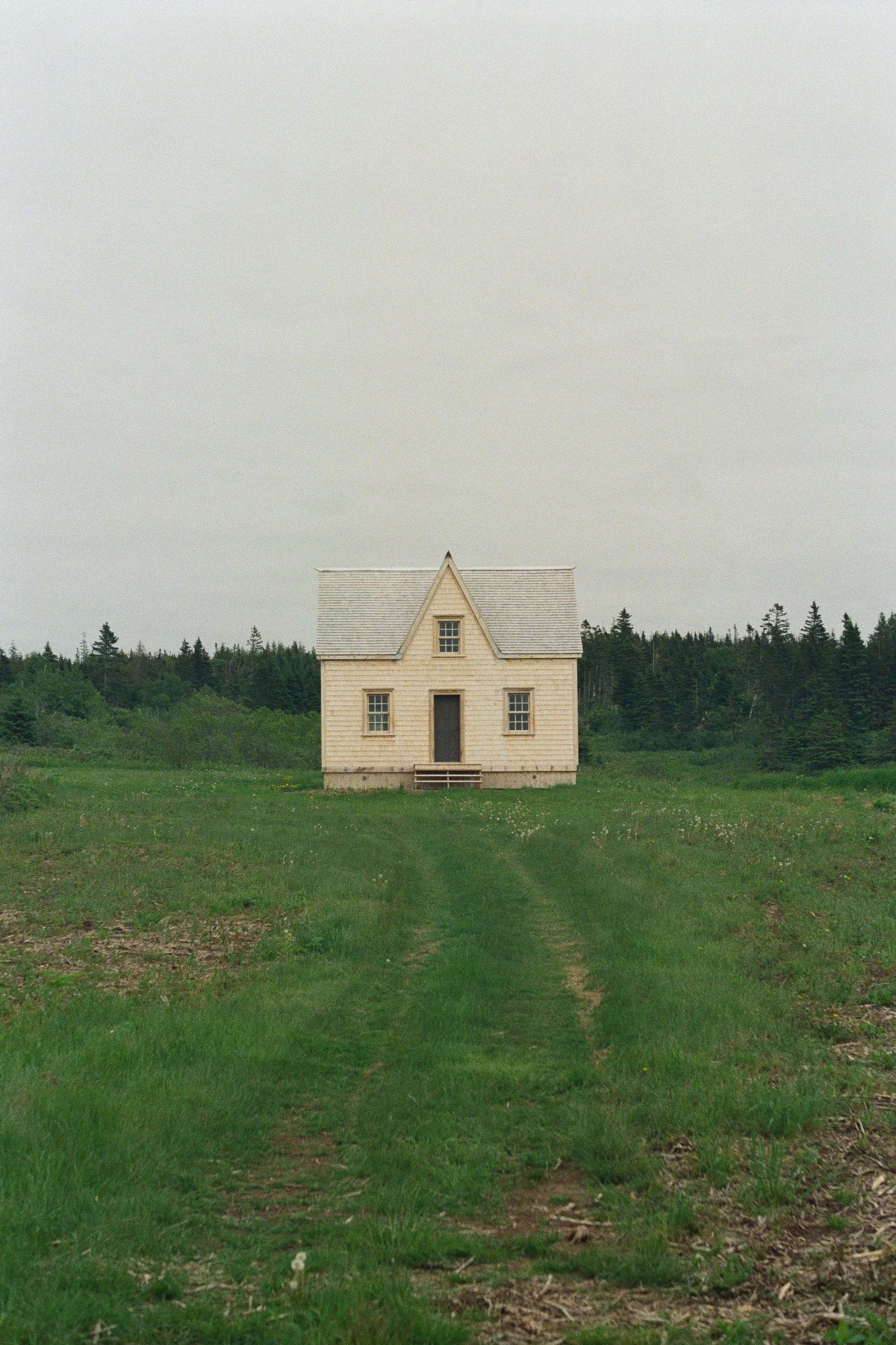
Living with complex PTSD can feel like inhabiting a house built on a faulty foundation.
From the outside, the structure might appear intact—walls standing, roof in place, windows letting in light. But beneath the surface, deep cracks run through the base. Every storm, every tremor, every unexpected noise threatens to shake the entire house. The problem isn’t just the cracks themselves; it’s that the foundation was never stable to begin with.
The Faulty Foundation
Complex PTSD often develops from prolonged trauma—situations where safety, trust, and stability were repeatedly undermined. Over time, the mind and body adapt to survive, not to thrive. The foundation of self—beliefs about worth, safety, and love—forms under pressure, uneven and fragile.
This foundation might hold for a while. Life can be built on top of it: relationships, careers, dreams. But eventually, the instability shows. Anxiety seeps through the walls. Depression settles in the corners. Triggers shake the structure, and the house feels unsafe again. The instinct is to patch the cracks, repaint the walls, or rearrange the furniture. Yet no amount of surface repair can fix what lies beneath.
Digging Up the Old Foundation
Healing from complex PTSD means doing something far more difficult than cosmetic repair—it means excavation. The old foundation must be dug up, piece by piece. This process is messy, exhausting, and often painful. It involves revisiting buried memories, confronting old beliefs, and unlearning survival patterns that once kept everything standing.
Therapy, self-reflection, and support become the tools for this excavation. Each layer removed reveals more of what was hidden: grief, fear, anger, and the unmet needs that shaped the original structure. It’s tempting to stop halfway, to fill the hole and pretend it’s enough. But true stability requires going all the way down—to the bedrock of self.
Laying a New Foundation
Once the old foundation is cleared, the rebuilding begins. This time, the work is deliberate. Boundaries are poured like concrete, solid and defined. Self-compassion becomes the rebar that strengthens every layer. Trust, once fractured, is rebuilt slowly, brick by brick.
This new foundation doesn’t erase the past; it integrates it. The house that stands on it may still bear scars from the old structure, but it is now grounded in truth and resilience. It can weather storms without collapsing. It can expand, evolve, and hold space for joy as well as pain.
Living in the Rebuilt House
Healing from complex PTSD is not about returning to who one was before the trauma—it’s about becoming someone new, someone built on stability rather than survival. The process is long and imperfect, but every step toward rebuilding is an act of courage.
The house may still creak at times, and the wind may still rattle the windows. But now, the foundation holds. And for the first time, it feels like home.
Emily Arth, MSW, LCSW, C.Hyp is an expert in trauma treatment of complex PTSD. She is a survivor of narcissistic abuse as well as a world-class mental health clinician. Since 2011, she has worked successfully with individuals and families suffering from relational trauma.
CHECK OUT SERVICES HERE
CONTACT US AT (417)372-2921
EMAIL: EARTH@EMLIFECOUNSELING.COM
Available Monday through Friday 9am-6pm
Serving virtually from Columbia, Missouri